Over the years, one thing I have become increasingly aware of through teaching movement is that ageing well is not simply about staying strong. Strength matters, of course, but what matters just as much is staying supple, mobile, balanced and breathing well.
We see it every day. People can still be strong, yet feel stiff getting out of a chair, cautious turning to reverse the car or uncomfortable after sitting for too long. Stiffness does not just affect how we move, it affects how we breathe, how steady we feel and ultimately how confident we feel in our bodies.
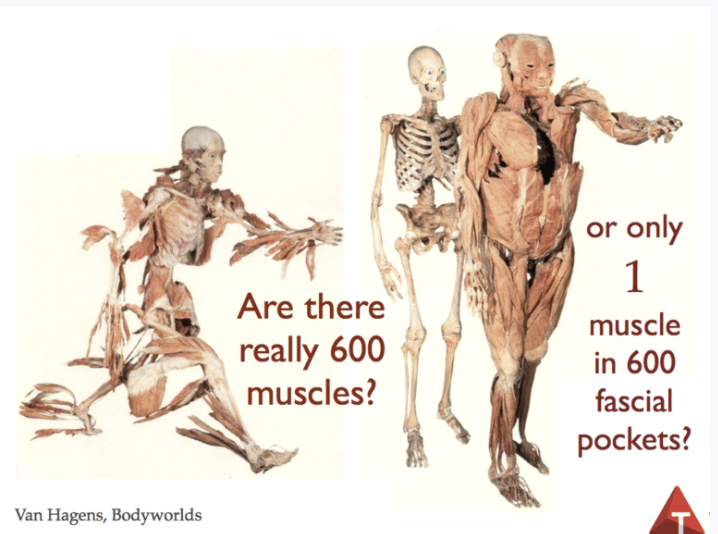
A huge part of this comes down to fascia — the body’s connective tissue network. I often describe fascia as the body’s internal fabric or the chassis that drives the engine. It wraps around muscles, joints, organs, even the lungs and heart, creating a continuous web throughout the entire body.
What is fascinating is that fascia is one of the body’s richest sensory tissues. It helps us know where we are in space, supports balance and coordination and influences whether movement feels smooth and easy or strained and restricted.
One of the biggest changes that occurs with age is not necessarily a sudden loss of strength, but that tissues become drier, stiffer and less adaptable. The tissue literally begins to mat. Fascia loves hydration and movement. When healthy, it is springy, elastic and responsive — the bounce or spring in our step.
Too much sitting, repetitive movement, stress or simply not moving enough can leave tissues feeling stuck. We begin to feel creaky in the mornings, stiff after sitting and hesitant about twisting or reaching. Many people accept this as “just ageing”, but fascia responds remarkably well to regular intelligent movement. Movement is what hydrates fascia.
Breath also plays an enormous role. The fascia surrounding the ribs, spine, diaphragm, lungs and heart needs movement to remain supple. When tissues around the rib cage and spine stiffen, breathing often becomes shallower. In turn, shallow breathing can affect posture, energy, circulation and tension levels.
The positive side is that breath and fascia work both ways. Calm, full breathing helps mobilise and hydrate the tissues around the ribs and spine, while freer tissues allow breathing to become easier and more efficient.
We are what we do every day.
Our bodies adapt to our habits, not our intentions.
If we stop twisting, the body gradually forgets how to twist. If we move cautiously all the time, the body learns caution. In many ways, fascia is the body’s built-in anti-ageing system, not because it keeps us young, but because it helps keep us capable.
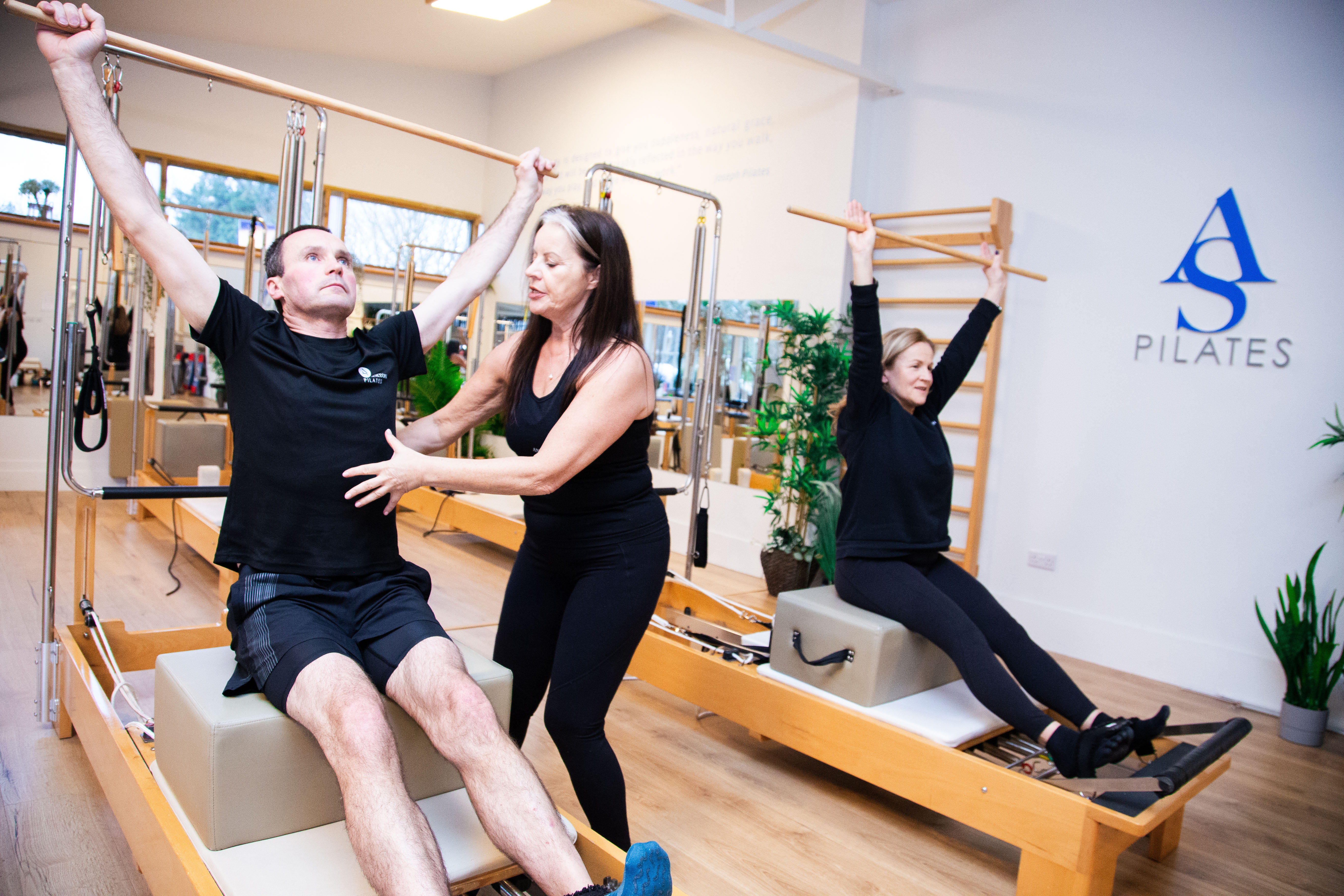
This is one of the reasons Pilates remains such an effective method. Joseph Pilates understood long before modern science that the body functions as an integrated whole. Pilates is not simply about strengthening isolated muscles. It is multi-planar, whole-body movement coordinated with breath. It gently loads tissue and then releases it again, encouraging elasticity, resilience, balance and efficiency of movement.
Ultimately, staying strong is important, but staying supple, mobile and breathing well is what helps us continue to move through life with confidence, ease and capability. Because in the end, we are what we do every day.